
Flooded basement help in Fort Wayne
A flooded basement is two problems at once: the water that is there now, and whatever let it in. Both need attention, and the order matters.
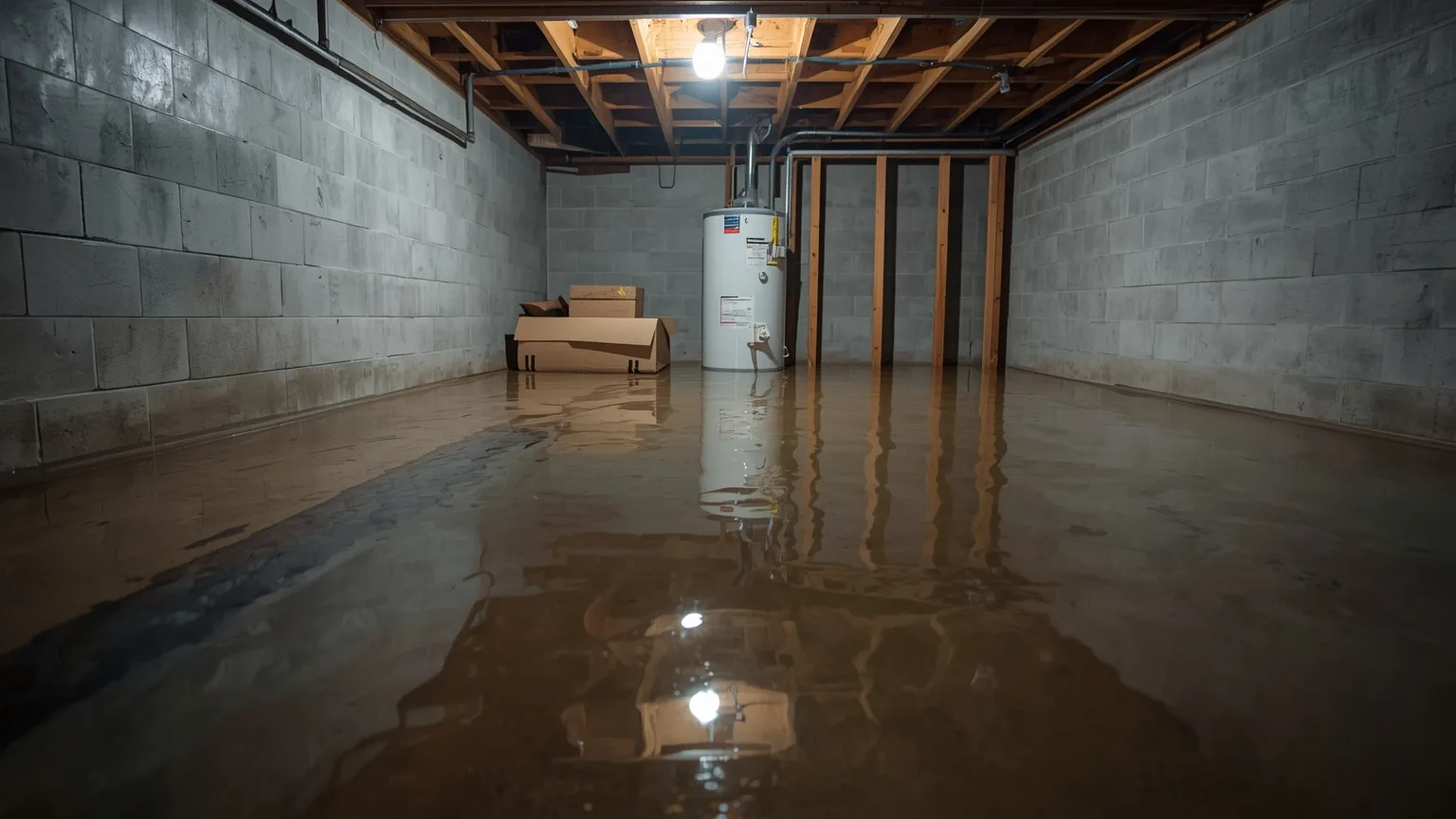
Who handles flooded basement cleanup in Fort Wayne, IN?
Fort Wayne Basements responds to flooded basements across Fort Wayne and Allen County — extraction and drying first, then diagnosis and permanent repair of the entry point that caused it. Call (260) 297-4131.
- Typical cost: $3,000–$12,000 in Allen County
- Soil: Blount-Pewamo-Glynwood glacial till — dense, high clay, poor drainage
- Frost depth: 42" — footings and discharge lines must sit below it
- Code: Indiana Residential Code (675 IAC 14-4.4), based on the 2018 IRC
- Service area: Fort Wayne and 9 surrounding counties, 45-mile radius
First hours
Power first: if water is near outlets, the panel, or the furnace, kill the circuits before entering. Then stop the source if it is stoppable — a failed sump, a burst supply line, a blocked floor drain.
Photograph everything before moving anything. If a claim follows, that documentation is what supports it, and it costs nothing to take.
Then the cause
Extraction and drying make the space usable again but change nothing about why it flooded. In Fort Wayne the recurring causes are a failed or undersized sump pump, a frozen or blocked discharge line, hydrostatic pressure with no drainage system, and surface water entering over the top of the wall.
A basement that flooded once under normal spring conditions will flood again under the same conditions. Fixing the cause is what ends it.
Why Allen County soil drives this
Allen County sits on Blount-Pewamo-Glynwood soils — dense, high-clay glacial till left by the Wisconsin glaciation. Clay holds water against foundation walls instead of draining it, which is why hydrostatic pressure, not rainfall alone, is the dominant cause of wet basements here.
Glynwood and Blount clays shrink in drought and swell when saturated, cycling pressure against foundation walls — the mechanism behind most horizontal cracking and inward bowing in Fort Wayne block walls. A saturated clay backfill can exert well over 1,000 lb of lateral force per linear foot against a block wall — enough to bow an 8-inch wall inward without any visible exterior cause
The confluence of the St. Marys, St. Joseph and Maumee rivers keeps the water table high across much of the city, and the 1982 flood of record remains the benchmark for low-lying basement risk. In the older core neighborhoods the problem compounds — allen county's core neighborhoods — west central, williams woodland park, lakeside, forest park — are dominated by pre-1940 housing with poured or block foundations that predate modern drain tile and damproofing entirely.
Flooded Basement Cleanup questions
What should I do first when my basement floods?
Cut power to the basement if water is anywhere near outlets, the panel, or mechanical equipment. Stop the source if you can reach it safely. Photograph everything before you move it, for insurance. Then get extraction started — the longer materials stay saturated, the more of them are unsalvageable.
Does homeowners insurance cover a flooded basement?
It depends entirely on the cause. Sudden internal failures — a burst pipe, a failed water heater — are commonly covered. Groundwater and surface flooding generally are not without a specific rider, and sump pump failure is usually a separate endorsement. Check your policy rather than assume, and document before cleanup either way.
How fast does mold start?
Colonization can begin within 24 to 48 hours on saturated organic materials — carpet pad, drywall, cardboard. That is why extraction speed matters so much more than it appears. Materials removed quickly are often the difference between drying a basement and rebuilding one.
Why did my basement flood when the pump was working?
Most often the discharge line. A buried line holding water freezes solid in an Indiana winter, and the pump runs against a closed outlet with no way to move water. A failed check valve does something similar, letting discharged water fall straight back into the basin.
Related emergency services
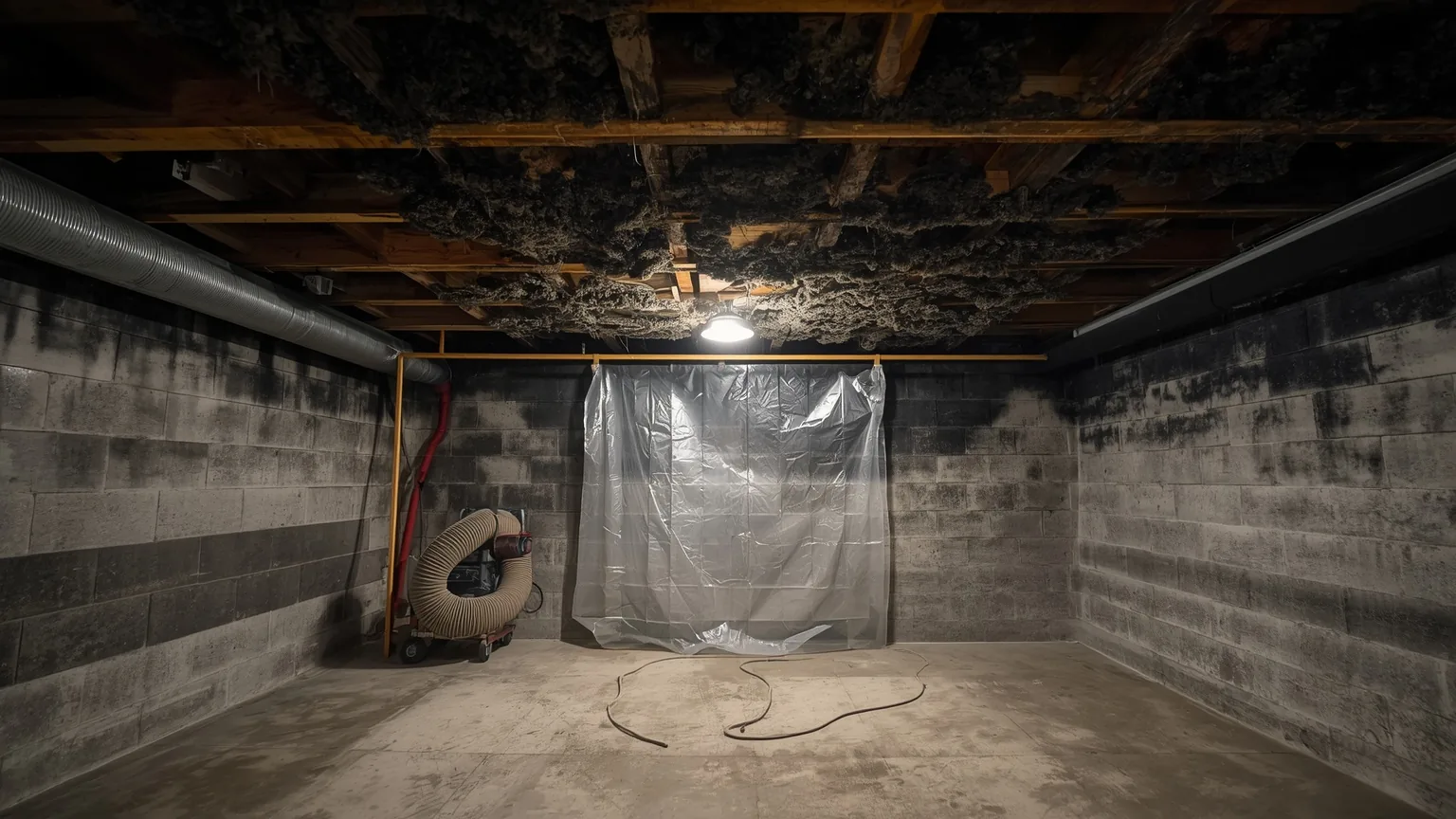

Find out what's actually causing it.
A free on-site inspection and a written scope — before any work is quoted.