
Foundation crack repair in Fort Wayne
Not every crack is a structural problem, and not every crack is just a leak. Which one you have depends on its direction, width, and whether it is moving.
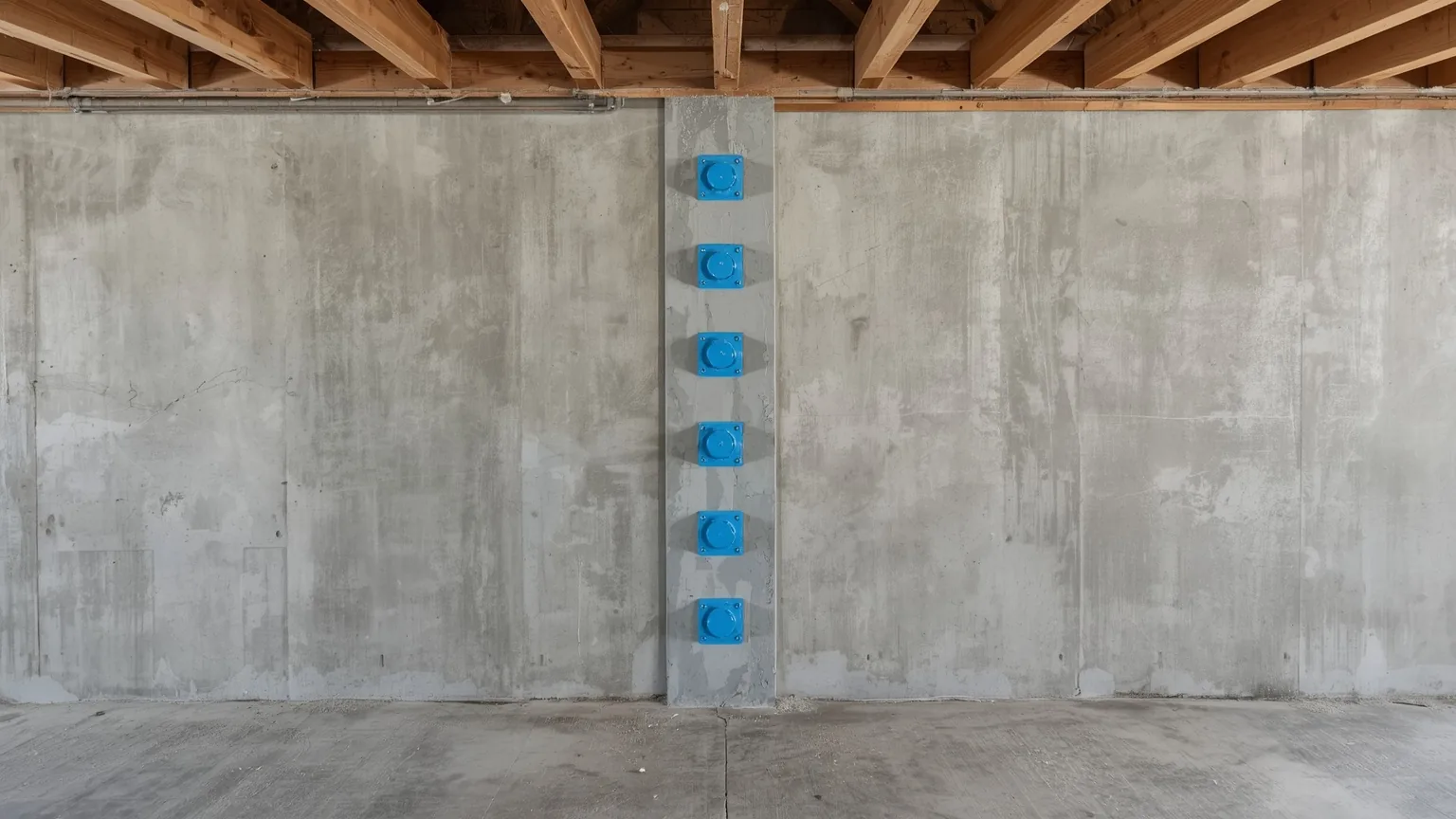
Who handles foundation crack repair in Fort Wayne, IN?
Fort Wayne Basements repairs foundation and basement wall cracks in Fort Wayne using polyurethane and epoxy injection that fills the full wall thickness, after assessing whether the crack is structural or shrinkage. Call (260) 297-4131.
- Typical cost: $400–$1,200 in Allen County
- Soil: Blount-Pewamo-Glynwood glacial till — dense, high clay, poor drainage
- Frost depth: 42" — footings and discharge lines must sit below it
- Code: Indiana Residential Code (675 IAC 14-4.4), based on the 2018 IRC
- Service area: Fort Wayne and 9 surrounding counties, 45-mile radius
Reading the crack
Vertical and diagonal hairline cracks in poured walls are usually shrinkage from curing — extremely common, rarely structural, and primarily a water path. Horizontal cracks are the serious ones: they indicate lateral clay pressure bending the wall, and injection alone does not address them.
Stair-step cracking in block that widens toward one end generally points to differential settlement. Width matters too — under about an eighth of an inch and stable is a different conversation from a quarter inch that has grown over a year.
Injection done properly
Polyurethane injection is used for active leaks: it is flexible, expands on contact with water, and seals a wet crack. Epoxy is rigid and structural, bonding the concrete back together, and is used on dry cracks where restoring strength matters.
Either way the injection has to fill the full thickness of the wall through ports set along the crack — not surface-patched. A surface patch is cosmetic and will fail at the next freeze-thaw cycle, of which Fort Wayne has plenty.
Why Allen County soil drives this
Allen County sits on Blount-Pewamo-Glynwood soils — dense, high-clay glacial till left by the Wisconsin glaciation. Clay holds water against foundation walls instead of draining it, which is why hydrostatic pressure, not rainfall alone, is the dominant cause of wet basements here.
Glynwood and Blount clays shrink in drought and swell when saturated, cycling pressure against foundation walls — the mechanism behind most horizontal cracking and inward bowing in Fort Wayne block walls. A saturated clay backfill can exert well over 1,000 lb of lateral force per linear foot against a block wall — enough to bow an 8-inch wall inward without any visible exterior cause
The confluence of the St. Marys, St. Joseph and Maumee rivers keeps the water table high across much of the city, and the 1982 flood of record remains the benchmark for low-lying basement risk. In the older core neighborhoods the problem compounds — allen county's core neighborhoods — west central, williams woodland park, lakeside, forest park — are dominated by pre-1940 housing with poured or block foundations that predate modern drain tile and damproofing entirely.
Foundation Crack Repair questions
How much does crack repair cost in Fort Wayne?
Single-crack injection typically runs $400–$1,200 depending on length, wall thickness, and whether polyurethane or epoxy is appropriate. Multiple cracks are usually quoted together at a lower per-crack rate.
Is a vertical crack in my foundation serious?
Usually not structurally. Vertical and diagonal hairline cracks in poured walls are typically curing shrinkage — a water path rather than a strength problem. They still deserve sealing, because water entering a crack freezes and widens it. Horizontal cracks are the ones that indicate structural movement.
Can I use hydraulic cement from the hardware store?
It stops a visible drip for a while, but it seals only the wall face and stays rigid while the crack keeps moving with seasonal clay cycling and freeze-thaw. It typically fails within a season or two. Injection fills the full wall thickness and, with polyurethane, stays flexible enough to hold.
Related foundation services
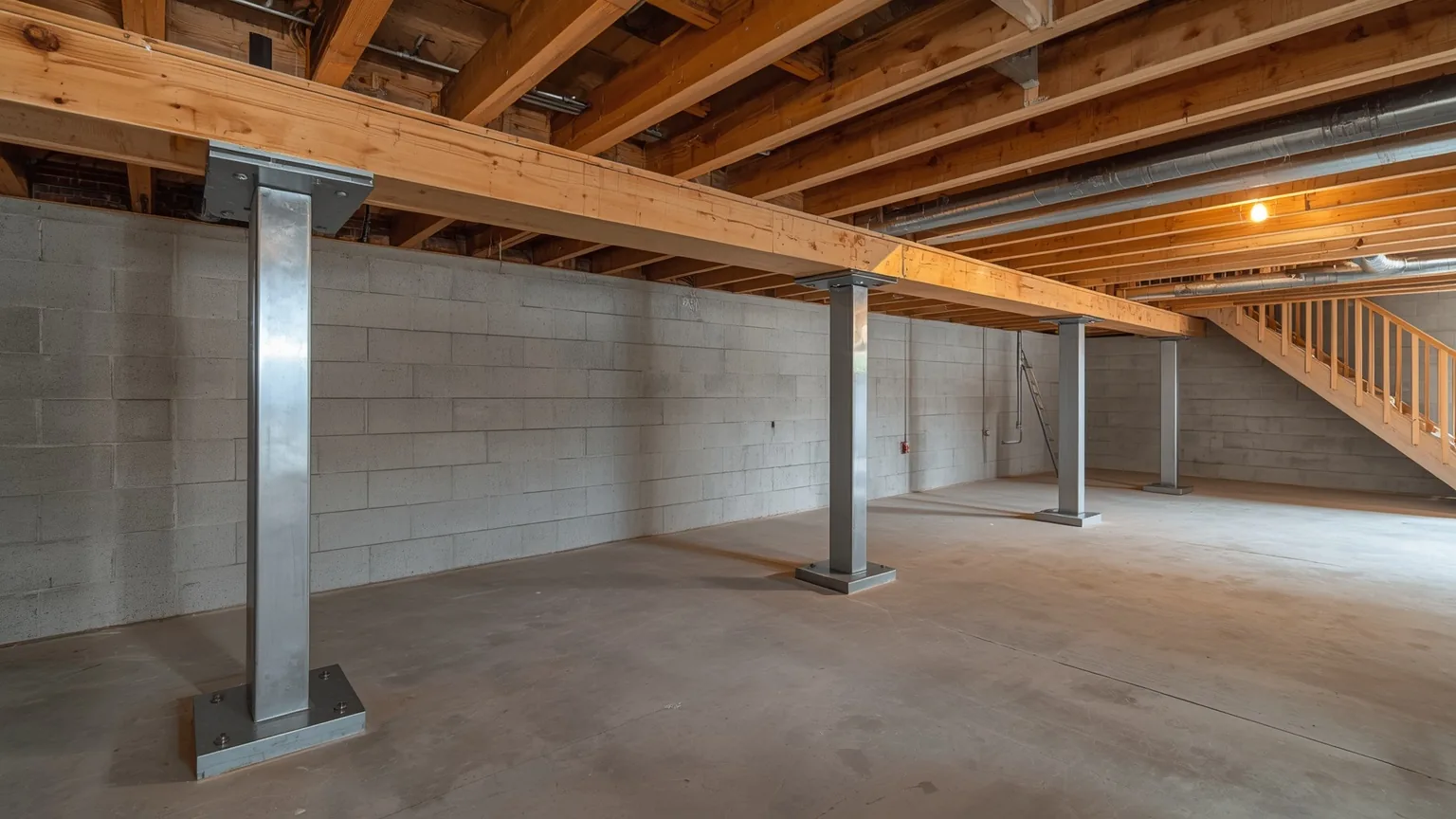
Foundation Repair
Foundation problems in Northeast Indiana come from two directions: clay pushing walls inward, and soil moving beneath footings. They look different, they fail differently, and they need different repairs.
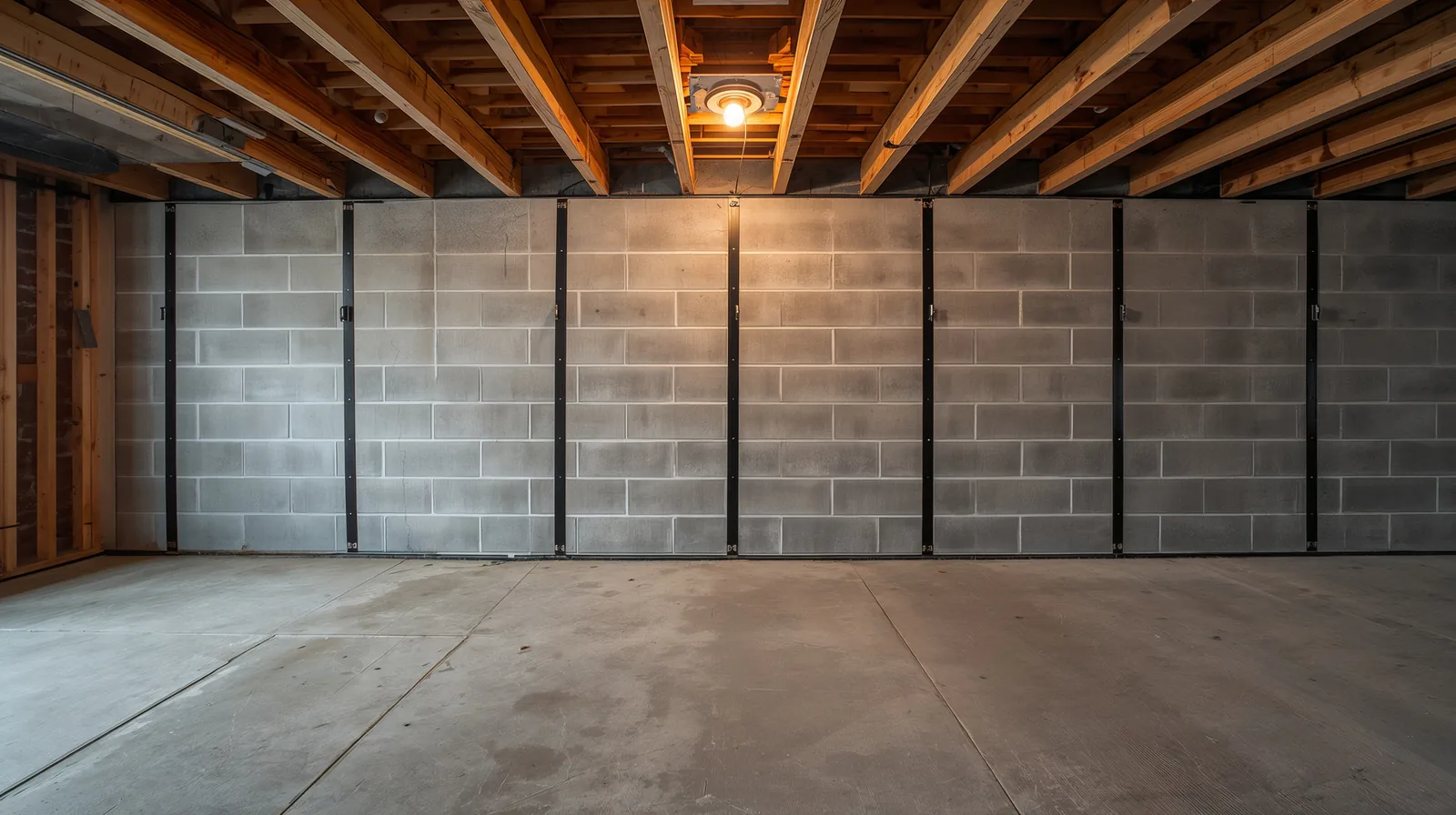
Bowing & Basement Wall Repair
A bowing basement wall is the clearest signal that Allen County clay is winning. Left alone it does not stabilize on its own — freeze-thaw cycling drives it further each season.
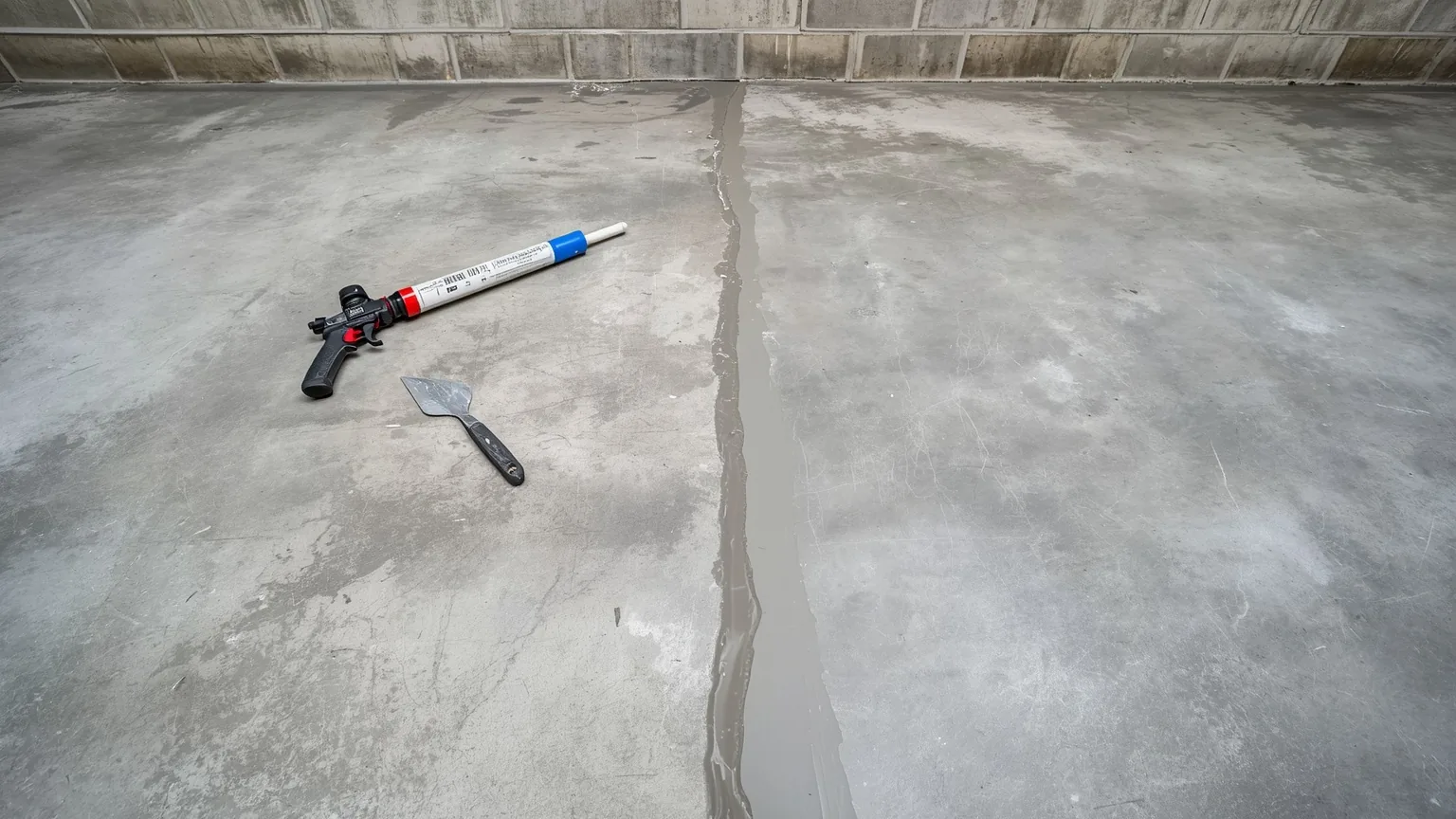
Basement Floor Crack Repair
Most basement floor cracks are harmless shrinkage. A few are telling you the soil under the slab has moved — and those look different.
Find out what's actually causing it.
A free on-site inspection and a written scope — before any work is quoted.