
Wet basement repair in Fort Wayne
Water shows up in a basement through a small number of predictable paths. Finding which one is the whole job — the repair is straightforward once the entry point is known.
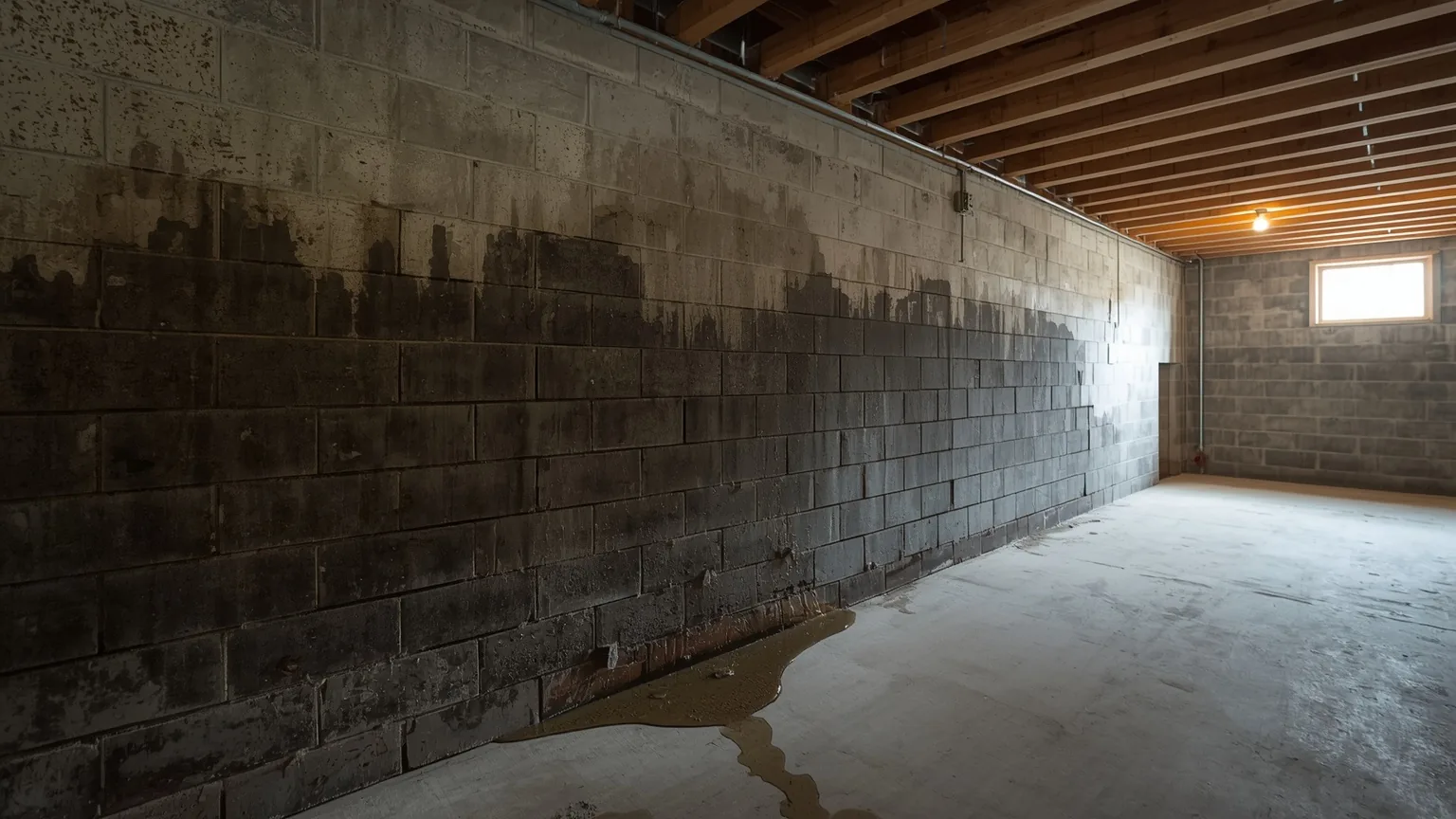
Who handles wet basement repair in Fort Wayne, IN?
Fort Wayne Basements diagnoses and repairs wet basements across Fort Wayne — identifying whether water is entering at the cove joint, through wall cracks, from window wells, or over the top of the foundation, then fixing that specific path. Call (260) 297-4131.
- Typical cost: $3,000–$12,000 in Allen County
- Soil: Blount-Pewamo-Glynwood glacial till — dense, high clay, poor drainage
- Frost depth: 42" — footings and discharge lines must sit below it
- Code: Indiana Residential Code (675 IAC 14-4.4), based on the 2018 IRC
- Service area: Fort Wayne and 9 surrounding counties, 45-mile radius
The five ways water gets in
Water at the cove joint — the seam where the wall meets the floor — is the most common in Fort Wayne and indicates hydrostatic pressure lifting water up under the slab edge. Water through a visible wall crack is the second. Both are drainage problems.
The other three are simpler and cheaper: window wells filling because they have no drain, water entering over the top of the foundation wall because grade slopes toward the house or downspouts discharge at the wall, and pipe or hose-bib leaks that have nothing to do with groundwater at all.
Diagnosis before quote
When the water appears matters as much as where. Water within an hour of heavy rain usually means surface water — grading, downspouts, window wells. Water a day or two after rain, or water that appears with no rain during a wet spring, means the water table has risen and clay is holding it against the wall.
That distinction decides the scope. A surface-water problem can often be solved for a few hundred dollars in grading and downspout extension. A hydrostatic problem needs a drainage system. An honest contractor tells you which one you have before quoting the larger job.
Why Allen County soil drives this
Allen County sits on Blount-Pewamo-Glynwood soils — dense, high-clay glacial till left by the Wisconsin glaciation. Clay holds water against foundation walls instead of draining it, which is why hydrostatic pressure, not rainfall alone, is the dominant cause of wet basements here.
Glynwood and Blount clays shrink in drought and swell when saturated, cycling pressure against foundation walls — the mechanism behind most horizontal cracking and inward bowing in Fort Wayne block walls. A saturated clay backfill can exert well over 1,000 lb of lateral force per linear foot against a block wall — enough to bow an 8-inch wall inward without any visible exterior cause
The confluence of the St. Marys, St. Joseph and Maumee rivers keeps the water table high across much of the city, and the 1982 flood of record remains the benchmark for low-lying basement risk. In the older core neighborhoods the problem compounds — allen county's core neighborhoods — west central, williams woodland park, lakeside, forest park — are dominated by pre-1940 housing with poured or block foundations that predate modern drain tile and damproofing entirely.
Wet Basement Repair questions
Why does my basement only leak sometimes?
Because Fort Wayne's clay soils have to saturate before they transmit pressure. A short summer downpour runs off; a sustained wet spring saturates the profile and raises the water table against the wall. That is why so many Allen County basements are dry from July through October and wet from March through May.
Water is coming up where the wall meets the floor. What is that?
That is the cove joint, and it is the single most common entry point in Fort Wayne homes. It means the water table outside has risen above the footing and hydrostatic pressure is pushing water up through the seam. Sealants do not hold against that pressure — it needs an interior drain to relieve it.
Could it be a plumbing leak instead of groundwater?
It can be, and it is worth ruling out first because the fix is far cheaper. Groundwater leaks correlate with rain and season; plumbing leaks do not, and often show as a consistently damp area with no weather pattern. Water appearing during a dry spell is a strong clue that it is not groundwater.
How much does it cost to fix a wet basement?
It depends entirely on the entry point. Regrading and extending downspouts can resolve a surface-water problem for a few hundred dollars. Crack injection runs $400–$1,200. A full interior drainage system runs $3,000–$12,000. Any contractor quoting the largest option before diagnosing the entry point is guessing.
Will a dehumidifier solve it?
No. A dehumidifier manages humidity in an already-dry basement; it cannot keep up with active water entry, and running one against a real leak just raises your power bill while the moisture keeps coming. Fix the water path first, then use a dehumidifier to hold the space at a stable humidity.
Related waterproofing services
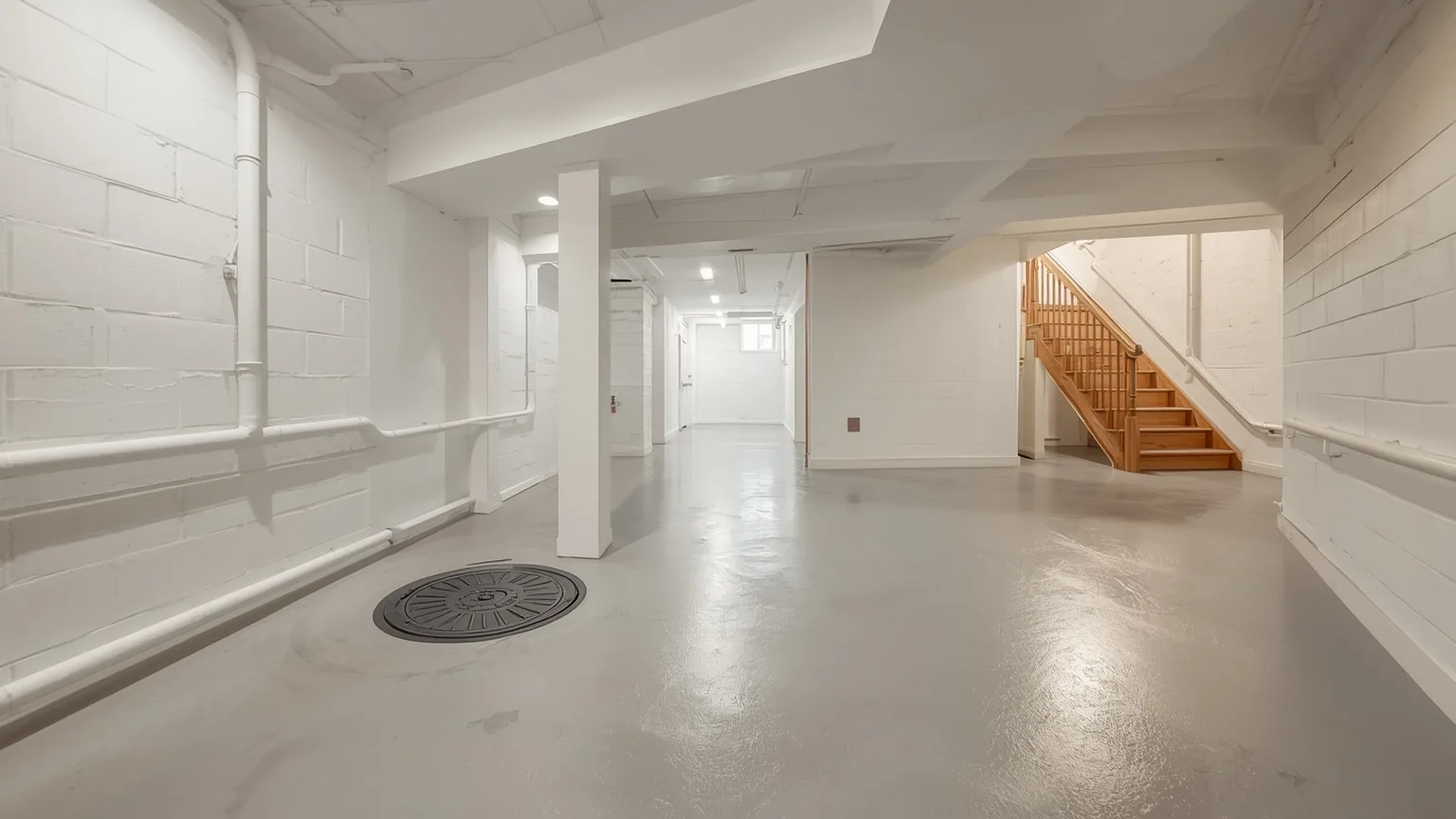
Basement Waterproofing
A wet Fort Wayne basement is almost never a rainfall problem — it is a clay problem. Blount and Glynwood till holds water against your foundation instead of draining it, and that pressure finds the weakest joint in the wall.
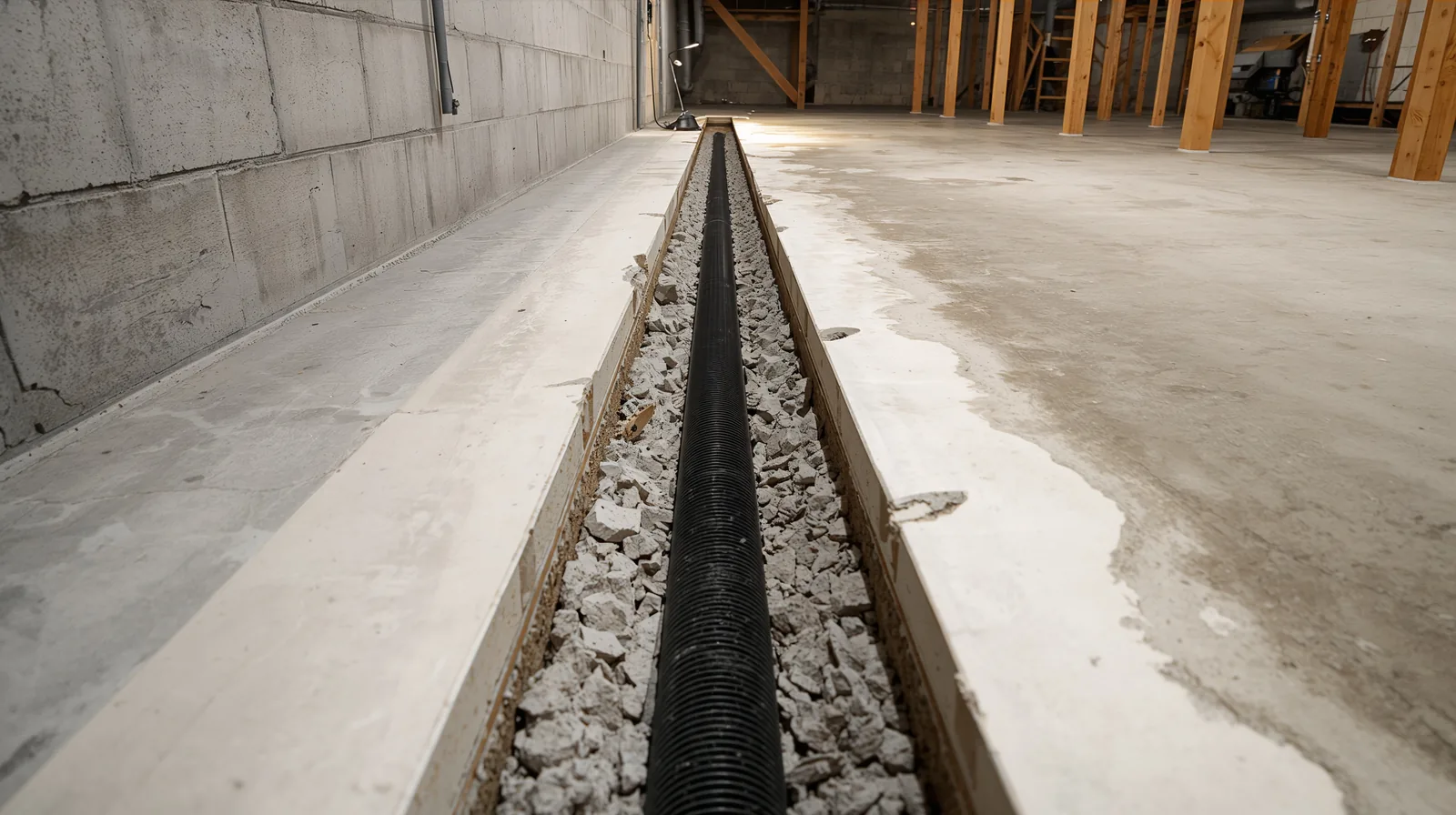
Interior Drain Tile
Interior drain tile is the workhorse repair for Fort Wayne basements: it relieves the hydrostatic pressure that clay soils create, without excavating the yard.
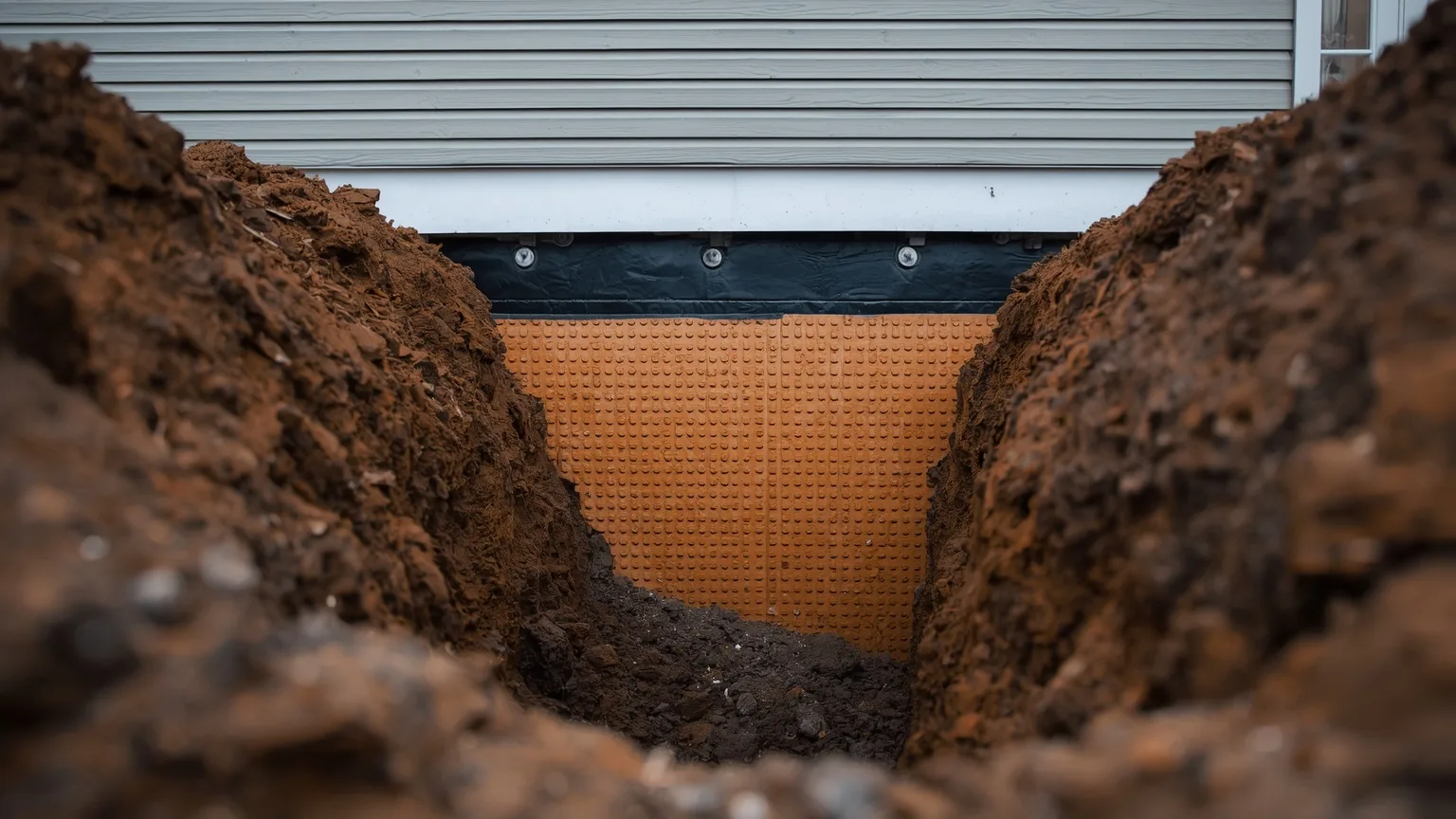
Exterior Basement Waterproofing
Exterior waterproofing stops water at the outside face of the wall, before it ever reaches the structure. It is the most thorough repair — and the most disruptive.
Find out what's actually causing it.
A free on-site inspection and a written scope — before any work is quoted.