
Bowing basement wall repair in Fort Wayne
A bowing basement wall is the clearest signal that Allen County clay is winning. Left alone it does not stabilize on its own — freeze-thaw cycling drives it further each season.
Who handles bowing & basement wall repair in Fort Wayne, IN?
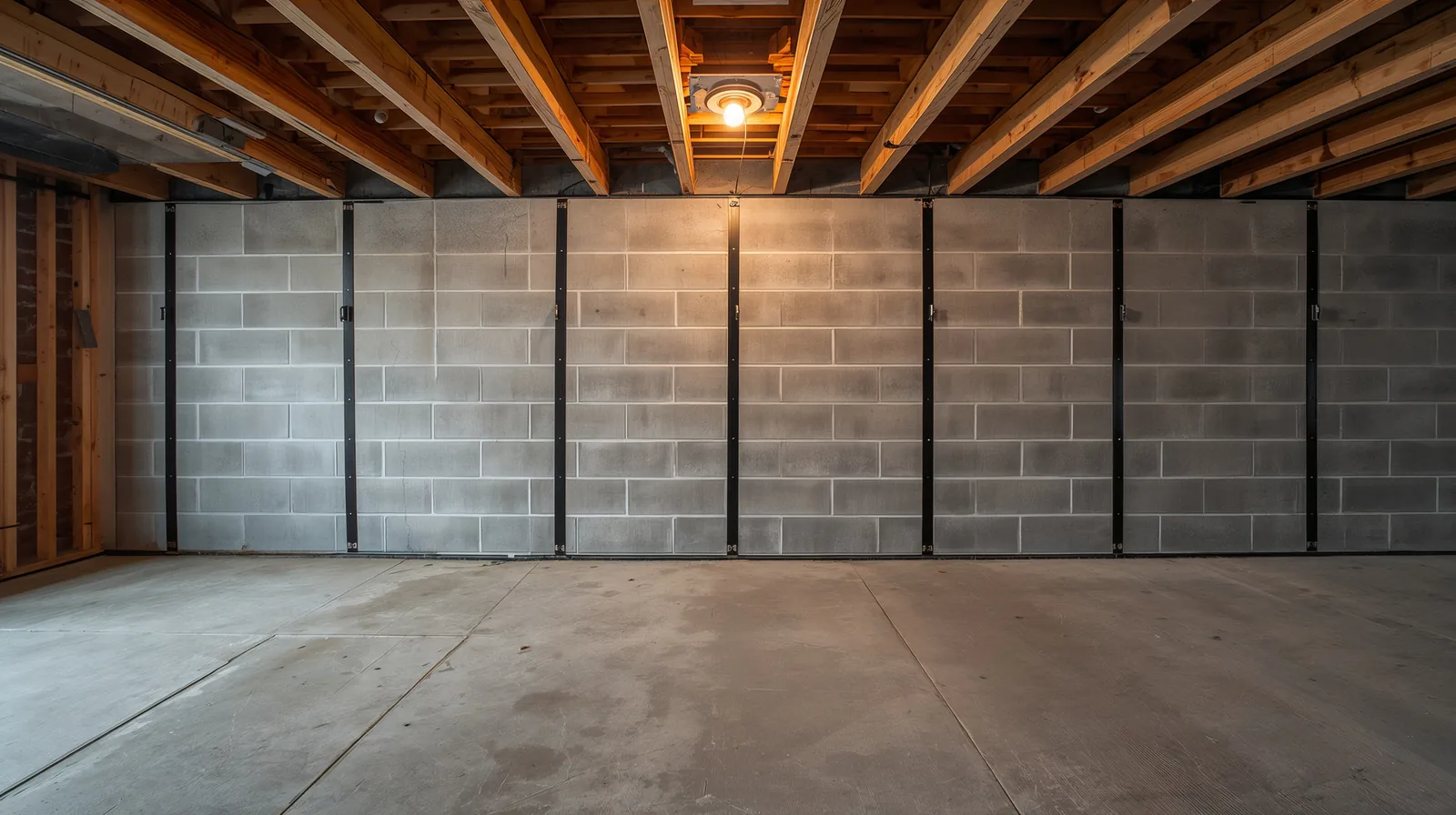
Fort Wayne Basements stabilizes bowing and cracked basement walls in Fort Wayne with carbon fiber straps, wall anchors, or steel I-beam bracing, selected by how far the wall has deflected and what yard access exists. Call (260) 297-4131.
- Typical cost: $4,000–$15,000 in Allen County
- Soil: Blount-Pewamo-Glynwood glacial till — dense, high clay, poor drainage
- Frost depth: 42" — footings and discharge lines must sit below it
- Code: Indiana Residential Code (675 IAC 14-4.4), based on the 2018 IRC
- Service area: Fort Wayne and 9 surrounding counties, 45-mile radius
Why Fort Wayne block walls bow
Glynwood and Blount clays swell when they saturate and shrink when they dry. That cycle loads the wall laterally, and a saturated clay backfill can exert well over 1,000 pounds per linear foot. Block walls resist vertical load well and lateral load poorly — the mortar bed joint around the mid-wall course is the hinge.
The result is the pattern seen throughout Allen County: a horizontal crack at mid-height, the wall above it pushed inward, sometimes with the sill plate visibly offset. Freeze-thaw then works the crack wider each winter.
Choosing the repair
Carbon fiber straps bond to the interior face and hold the wall where it is. They are low-profile, need no excavation, and suit deflection under roughly two inches. Wall anchors run a rod to a plate set in undisturbed soil outside and can, over time, pull a wall back toward plumb — they need yard access. Steel I-beam bracing carries load to the joists and floor for severe cases.
Whichever is used, the water has to be addressed in the same project. Stabilizing a wall while leaving hydrostatic pressure in place treats the symptom and leaves the cause.
Why Allen County soil drives this
Allen County sits on Blount-Pewamo-Glynwood soils — dense, high-clay glacial till left by the Wisconsin glaciation. Clay holds water against foundation walls instead of draining it, which is why hydrostatic pressure, not rainfall alone, is the dominant cause of wet basements here.
Glynwood and Blount clays shrink in drought and swell when saturated, cycling pressure against foundation walls — the mechanism behind most horizontal cracking and inward bowing in Fort Wayne block walls. A saturated clay backfill can exert well over 1,000 lb of lateral force per linear foot against a block wall — enough to bow an 8-inch wall inward without any visible exterior cause
The confluence of the St. Marys, St. Joseph and Maumee rivers keeps the water table high across much of the city, and the 1982 flood of record remains the benchmark for low-lying basement risk. In the older core neighborhoods the problem compounds — allen county's core neighborhoods — west central, williams woodland park, lakeside, forest park — are dominated by pre-1940 housing with poured or block foundations that predate modern drain tile and damproofing entirely.
Bowing & Basement Wall Repair questions
How much does bowing wall repair cost in Fort Wayne?
Wall stabilization typically runs $4,000–$15,000 in Allen County. Carbon fiber straps on a modestly bowed wall are at the low end; a full anchor system on a long wall, or steel bracing on severe deflection, is at the high end. Pricing generally scales with the number of straps or anchors, set on spacing determined by wall height and deflection.
How much bowing is too much?
Under about an inch is generally monitored or held with carbon fiber. One to two inches is repairable but should not wait. Beyond two inches the wall is significantly compromised and may need anchors or bracing — and in severe cases replacement becomes the more economical answer. Deflection should be measured, not eyeballed.
Can a bowed wall be pushed back straight?
Sometimes, with wall anchors tightened incrementally over months as the soil outside is excavated and relieved. It works best on walls that have not cracked through. Carbon fiber does not straighten — it holds the wall at its current position, which for most homes is the right and far cheaper objective.
Is a bowing wall an emergency?
Not usually an evacuate-tonight emergency, but it is not something to defer either. The mechanism driving it does not stop, and every freeze-thaw cycle in a Fort Wayne winter advances it. The cost curve rises steeply with deflection — the same wall costs far more to fix at three inches than at one.
Related foundation services
Foundation Repair
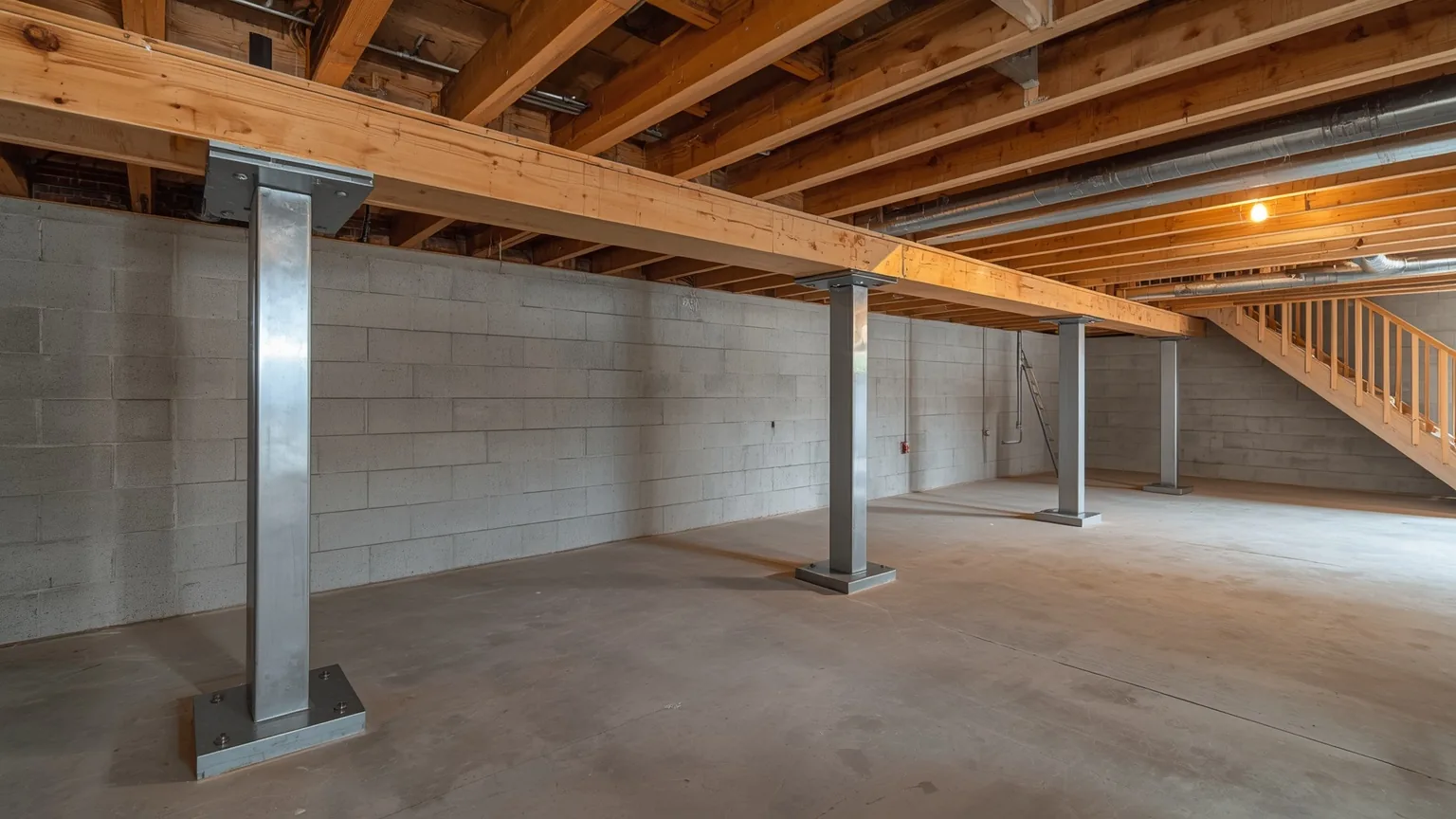
Foundation problems in Northeast Indiana come from two directions: clay pushing walls inward, and soil moving beneath footings. They look different, they fail differently, and they need different repairs.
Foundation Crack Repair
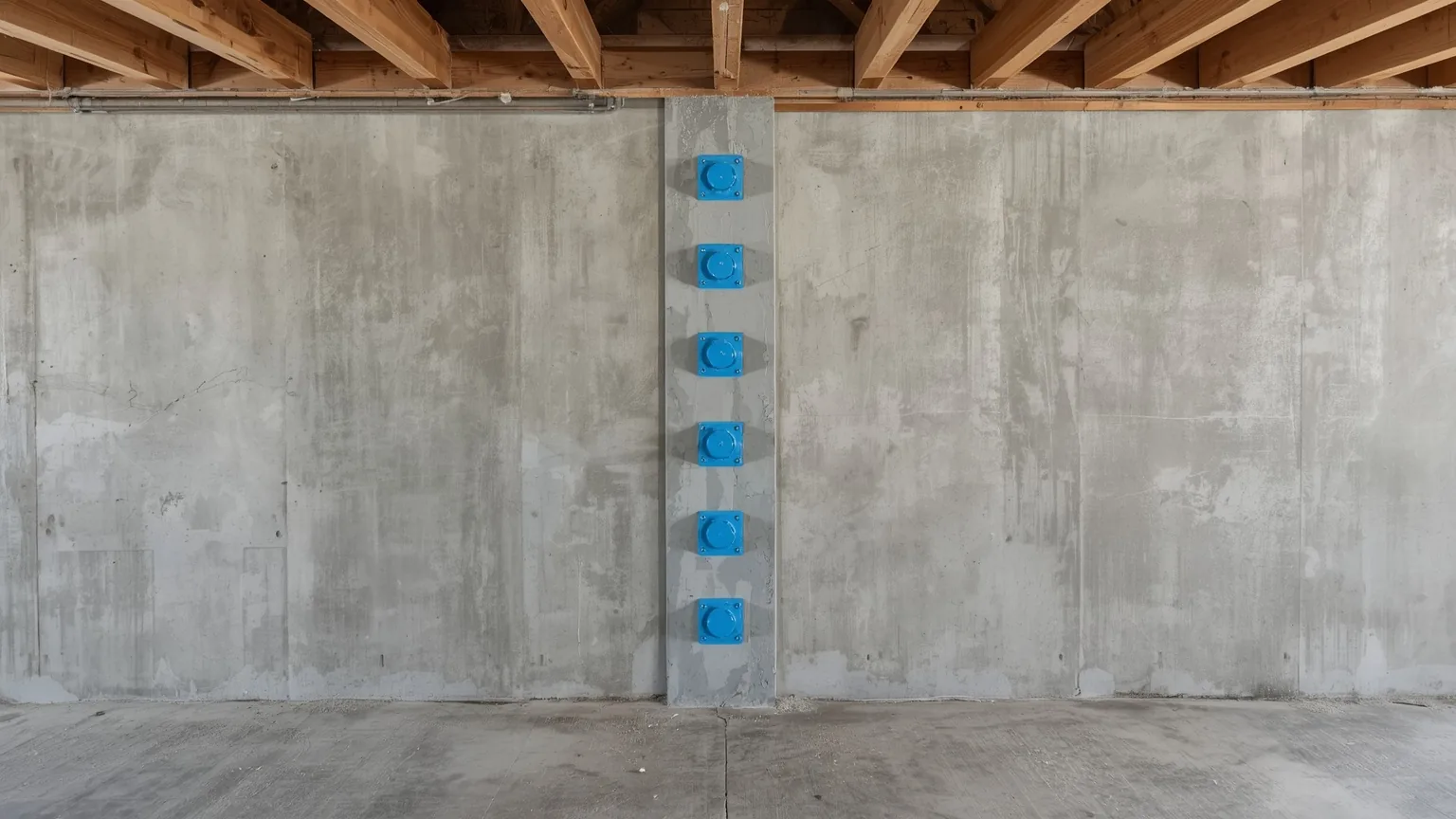
Not every crack is a structural problem, and not every crack is just a leak. Which one you have depends on its direction, width, and whether it is moving.
Basement Floor Crack Repair
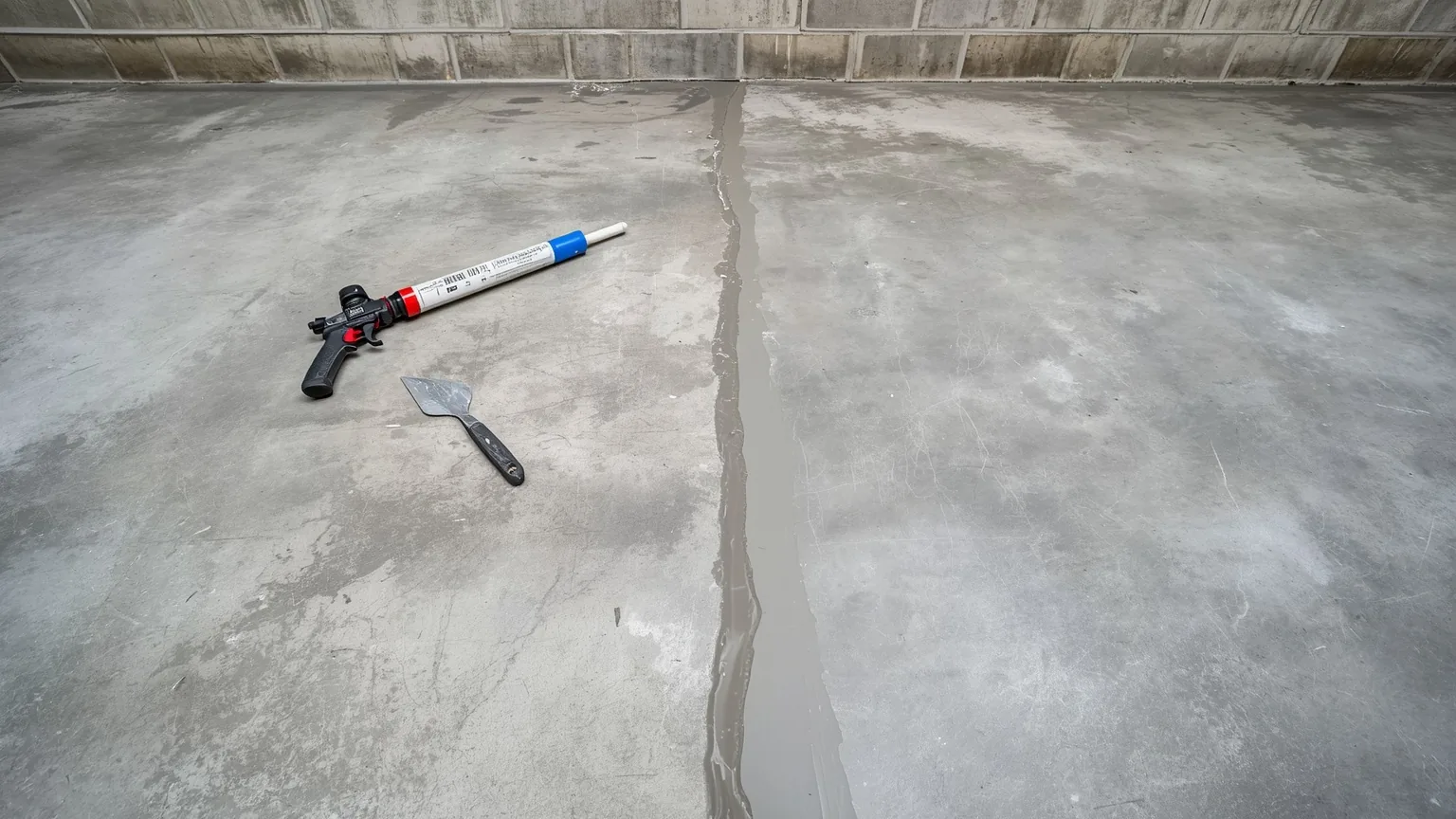
Most basement floor cracks are harmless shrinkage. A few are telling you the soil under the slab has moved — and those look different.
Find out what's actually causing it.
A free on-site inspection and a written scope — before any work is quoted.