
Basement mold and musty odor in Fort Wayne
Mold is a moisture problem wearing a different name. Removing it without removing the water guarantees a repeat.
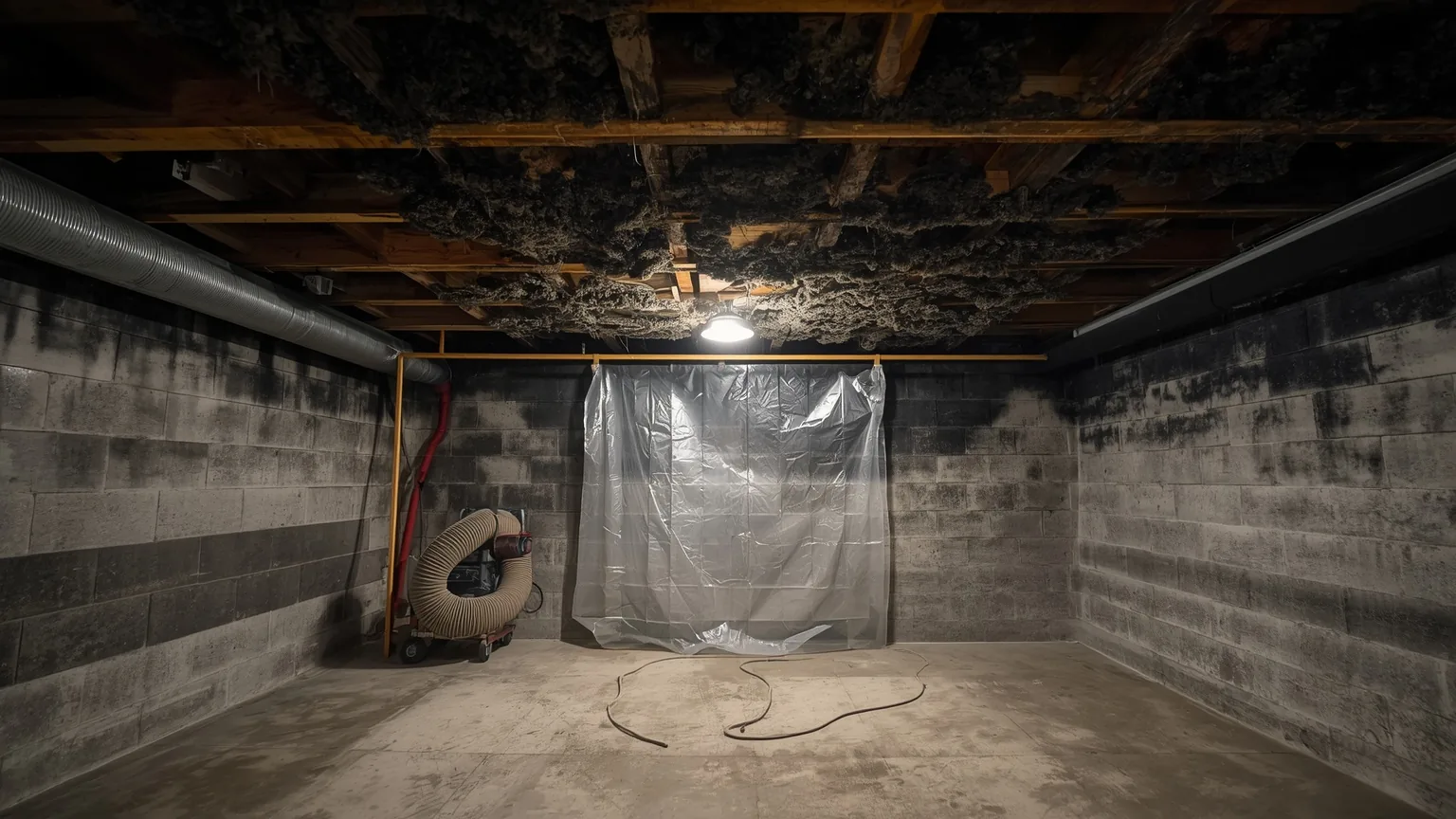
Who handles basement mold & odor in Fort Wayne, IN?
Fort Wayne Basements addresses basement mold and musty odor in Fort Wayne by locating and eliminating the moisture source first, then removing colonized materials and stabilizing humidity. Call (260) 297-4131.
- Typical cost: $3,000–$12,000 in Allen County
- Soil: Blount-Pewamo-Glynwood glacial till — dense, high clay, poor drainage
- Frost depth: 42" — footings and discharge lines must sit below it
- Code: Indiana Residential Code (675 IAC 14-4.4), based on the 2018 IRC
- Service area: Fort Wayne and 9 surrounding counties, 45-mile radius
Why the smell comes back
A musty basement smell is airborne microbial growth feeding on chronic moisture. Cleaning surfaces removes what is visible; it does not change the humidity or the water entry that supports growth, so it returns within weeks.
The sequence that works is: find the water, stop the water, remove what is already colonized, then hold the space at a stable humidity so it cannot restart.
What has to come out
Porous materials that have been wet and colonized — carpet and pad, drywall, insulation, cardboard storage, upholstered items — generally cannot be restored and need removal. Non-porous surfaces like concrete and block can be cleaned.
Extensive growth, or any situation involving occupants with respiratory conditions, warrants an independent assessment rather than a contractor self-diagnosing scope.
Why Allen County soil drives this
Allen County sits on Blount-Pewamo-Glynwood soils — dense, high-clay glacial till left by the Wisconsin glaciation. Clay holds water against foundation walls instead of draining it, which is why hydrostatic pressure, not rainfall alone, is the dominant cause of wet basements here.
Glynwood and Blount clays shrink in drought and swell when saturated, cycling pressure against foundation walls — the mechanism behind most horizontal cracking and inward bowing in Fort Wayne block walls. A saturated clay backfill can exert well over 1,000 lb of lateral force per linear foot against a block wall — enough to bow an 8-inch wall inward without any visible exterior cause
The confluence of the St. Marys, St. Joseph and Maumee rivers keeps the water table high across much of the city, and the 1982 flood of record remains the benchmark for low-lying basement risk. In the older core neighborhoods the problem compounds — allen county's core neighborhoods — west central, williams woodland park, lakeside, forest park — are dominated by pre-1940 housing with poured or block foundations that predate modern drain tile and damproofing entirely.
Basement Mold & Odor questions
Why does my basement smell musty even though it's dry?
Usually vapor rather than liquid water — moisture passing through concrete and soil keeps humidity high enough to support growth without any visible water. It can also be residual growth in materials that were wet previously and never removed. Both are common in Fort Wayne's older housing stock.
Can I just clean the mold myself?
Small areas on hard, non-porous surfaces can be cleaned by a homeowner. The limitation is that cleaning treats what you can see while the moisture source keeps working. Porous materials that have been colonized need removal, not cleaning — surface treatment on carpet pad or drywall does not reach the growth inside them.
Will waterproofing fix the smell?
It fixes the cause, which is the necessary step. Materials already colonized still have to come out — drying does not reverse growth that has taken hold. Waterproofing plus removal of affected materials plus humidity control is what actually ends it.
Related emergency services
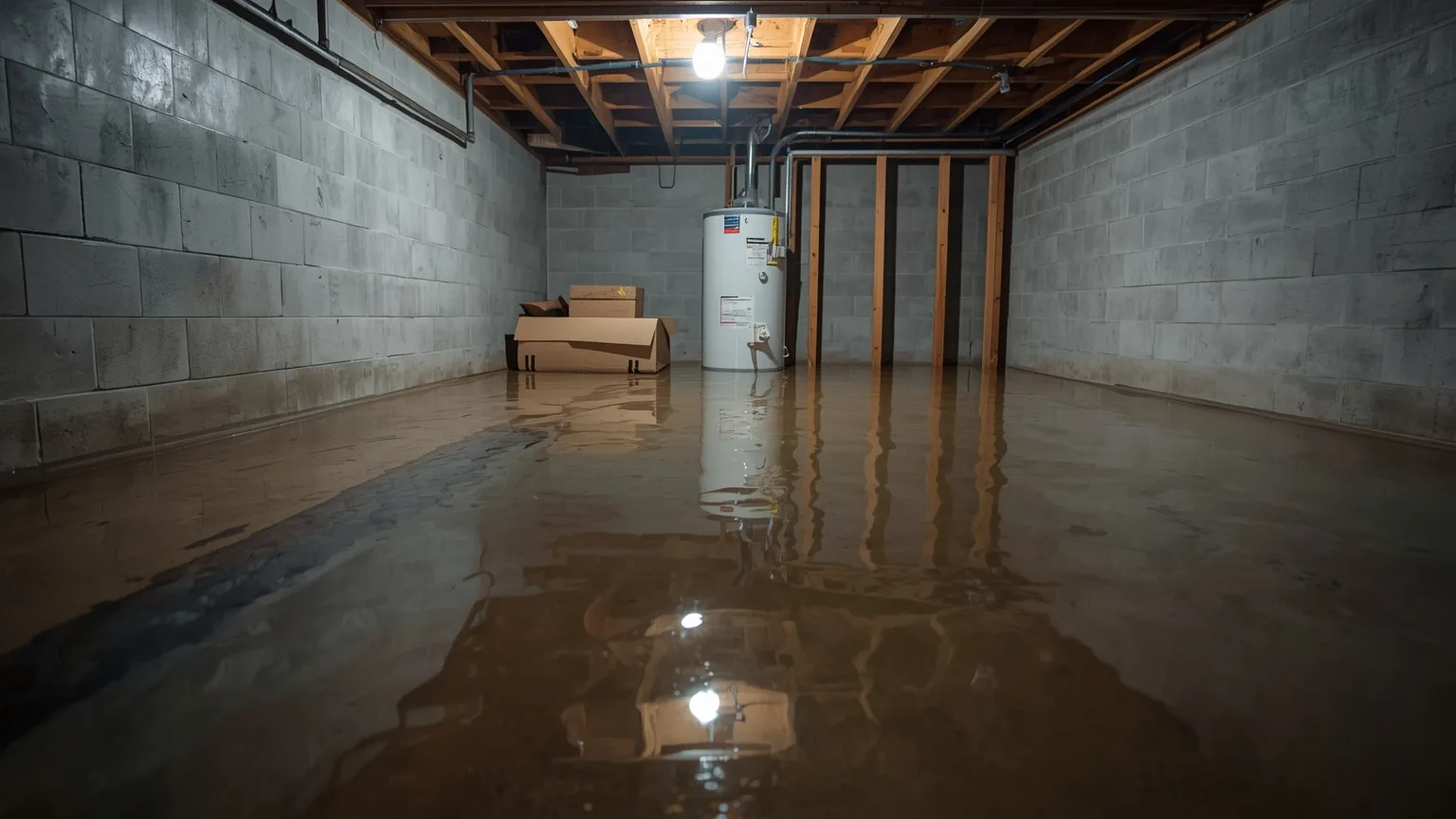
Flooded Basement Cleanup
A flooded basement is two problems at once: the water that is there now, and whatever let it in. Both need attention, and the order matters.
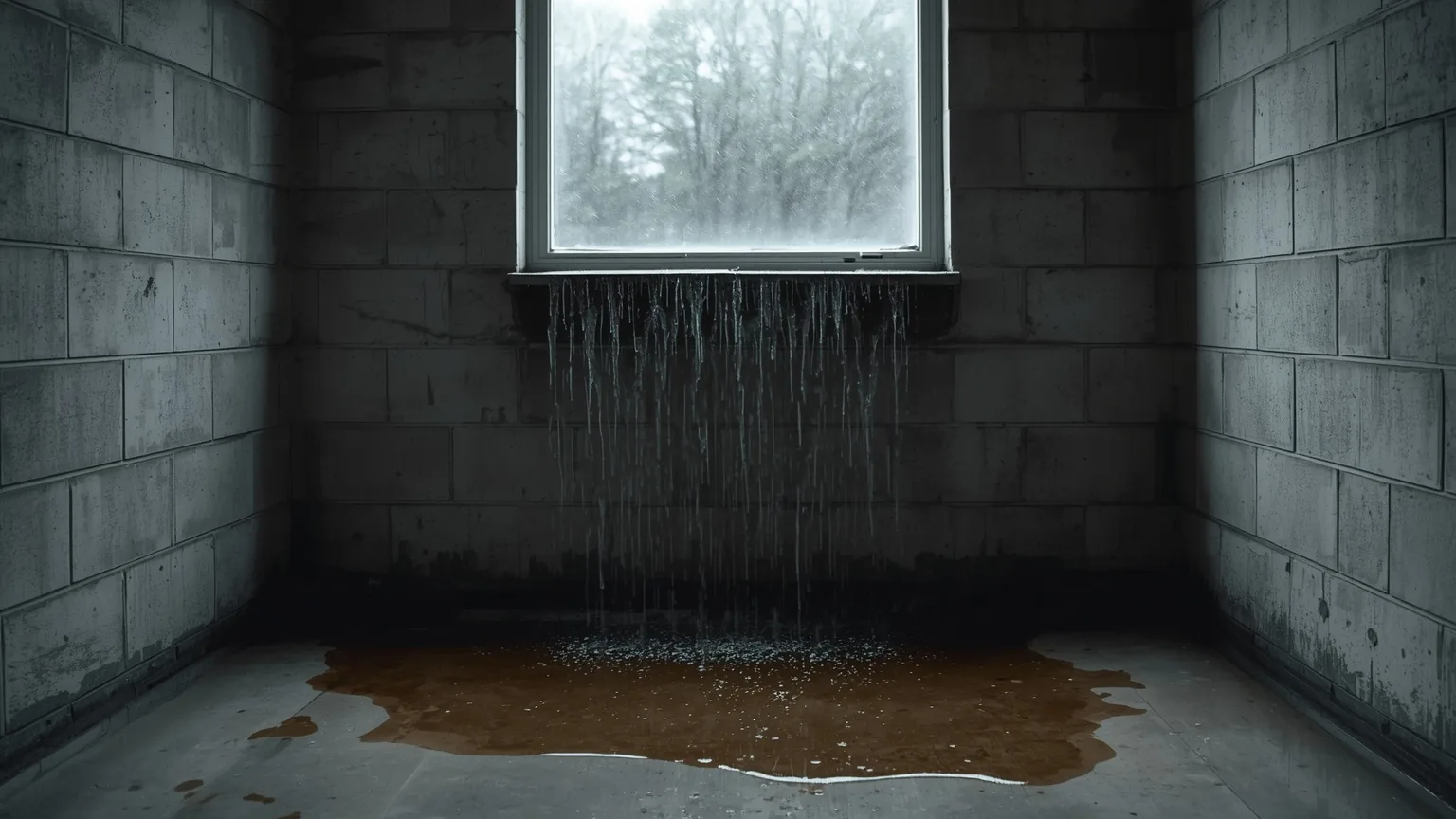
Water After Rain
When water appears relative to the rain is the single most useful diagnostic a homeowner has — and it costs nothing to observe.
Find out what's actually causing it.
A free on-site inspection and a written scope — before any work is quoted.