
Vapor barrier installation in Fort Wayne
Concrete and bare soil both pass water vapor continuously. A vapor barrier is what stops the ground from humidifying the house.
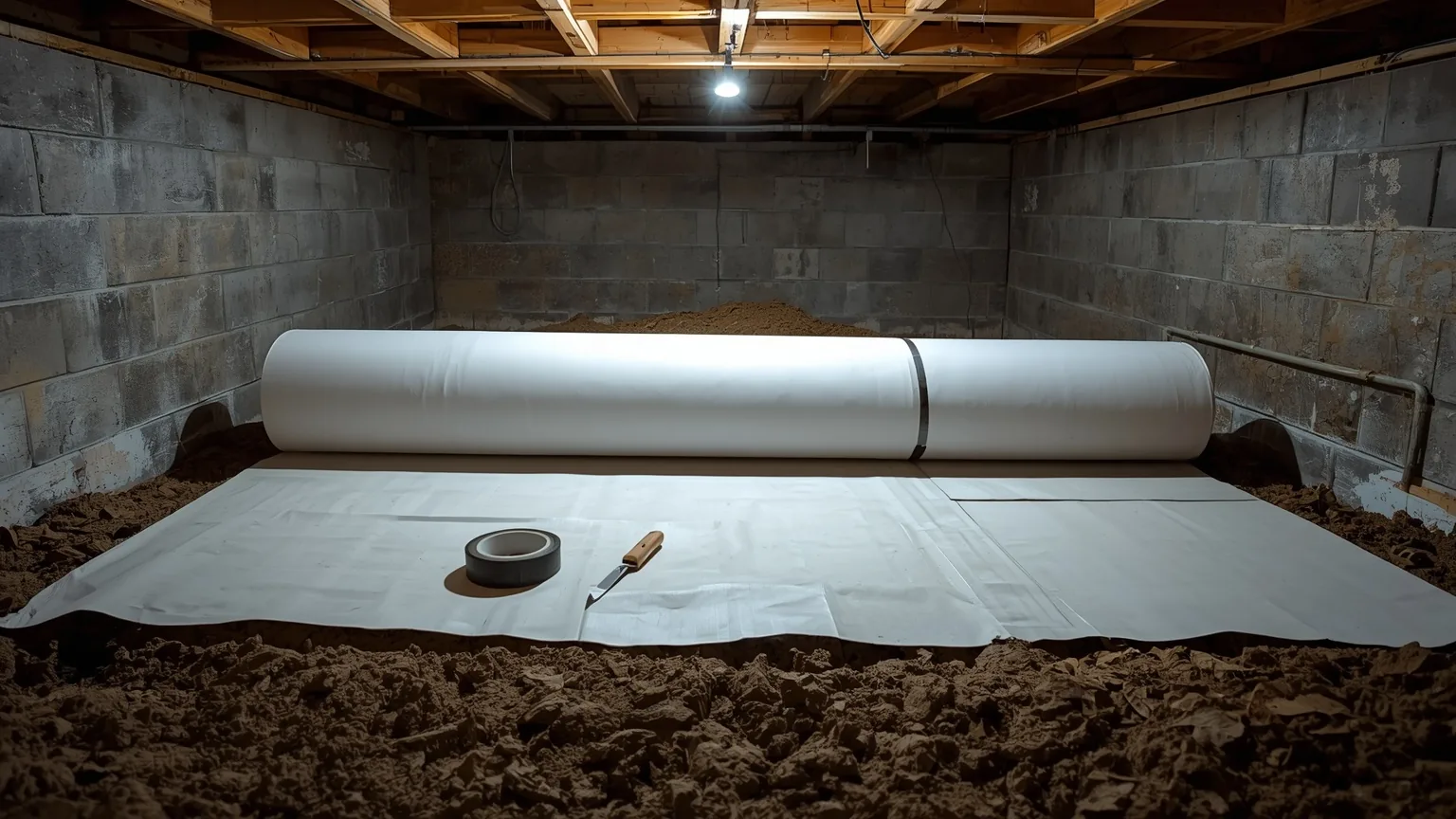
Who handles vapor barrier installation in Fort Wayne, IN?
Fort Wayne Basements installs sealed vapor barriers in Fort Wayne basements and crawl spaces — reinforced liner across soil and up walls, seams taped, to stop ground moisture entering the structure. Call (260) 297-4131.
- Typical cost: $400–$4,000 in Allen County
- Soil: Blount-Pewamo-Glynwood glacial till — dense, high clay, poor drainage
- Frost depth: 42" — footings and discharge lines must sit below it
- Code: Indiana Residential Code (675 IAC 14-4.4), based on the 2018 IRC
- Service area: Fort Wayne and 9 surrounding counties, 45-mile radius
Vapor is not the same as water
A basement can be free of visible water and still be damp, because moisture passes through concrete and soil as vapor. That vapor raises humidity, condenses on cool surfaces, and supports mold on stored belongings and framing without a drop ever appearing on the floor.
This is why a dehumidifier alone can run constantly and never win — it is removing moisture that the ground keeps replacing.
Specification matters
Thin builder-grade poly tears during installation and degrades. A reinforced liner in the 12 to 20 mil range holds up to foot traffic and storage. Seams have to be overlapped and taped, and the liner run up the walls and mechanically fastened rather than left loose at the perimeter.
A vapor barrier is not a substitute for drainage. If liquid water enters, it pools on top of the liner. Water first, vapor second — in that order.
Why Allen County soil drives this
Allen County sits on Blount-Pewamo-Glynwood soils — dense, high-clay glacial till left by the Wisconsin glaciation. Clay holds water against foundation walls instead of draining it, which is why hydrostatic pressure, not rainfall alone, is the dominant cause of wet basements here.
Glynwood and Blount clays shrink in drought and swell when saturated, cycling pressure against foundation walls — the mechanism behind most horizontal cracking and inward bowing in Fort Wayne block walls. A saturated clay backfill can exert well over 1,000 lb of lateral force per linear foot against a block wall — enough to bow an 8-inch wall inward without any visible exterior cause
The confluence of the St. Marys, St. Joseph and Maumee rivers keeps the water table high across much of the city, and the 1982 flood of record remains the benchmark for low-lying basement risk. In the older core neighborhoods the problem compounds — allen county's core neighborhoods — west central, williams woodland park, lakeside, forest park — are dominated by pre-1940 housing with poured or block foundations that predate modern drain tile and damproofing entirely.
Vapor Barrier Installation questions
Do I need a vapor barrier if my basement is dry?
Possibly. Dry means no visible water; it does not mean no vapor transmission. If humidity stays high, belongings smell musty, or condensation forms on cool surfaces in summer, ground vapor is likely the source and a barrier addresses it directly.
What thickness should be used?
For a crawl space or basement floor that will see foot traffic and storage, a reinforced liner of 12 to 20 mil is the practical range. The 6 mil poly sold for construction use tears too easily and is a false economy in a space anyone will walk in.
Does a vapor barrier replace waterproofing?
No. It stops vapor, not liquid water under pressure. If water enters the basement, it will simply pool on top of the barrier. Drainage first, then vapor control.
Related basement services
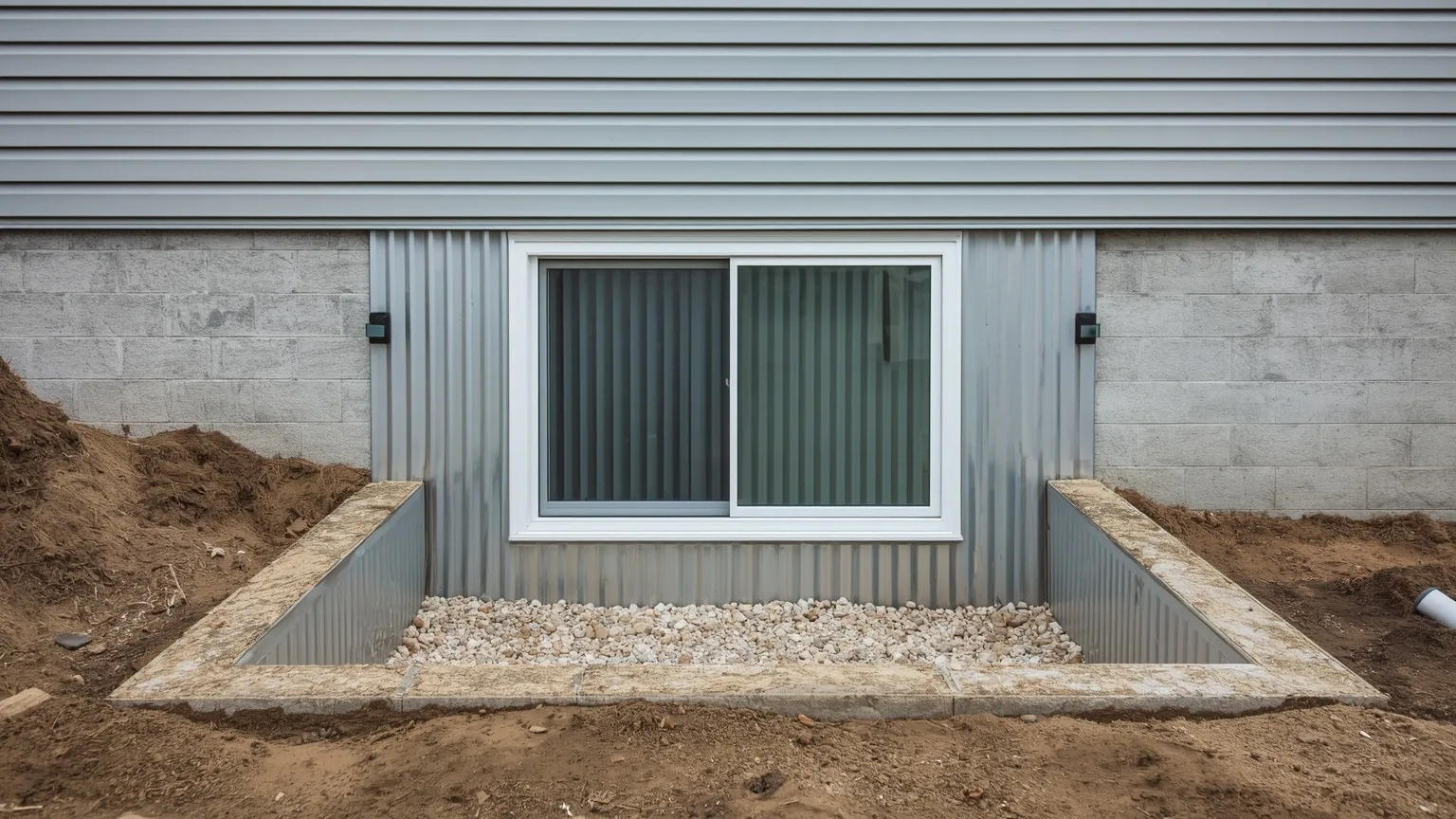
Egress Window Installation
If a basement bedroom does not have a compliant egress opening, it is not legally a bedroom — which matters for safety first and for appraisal second.
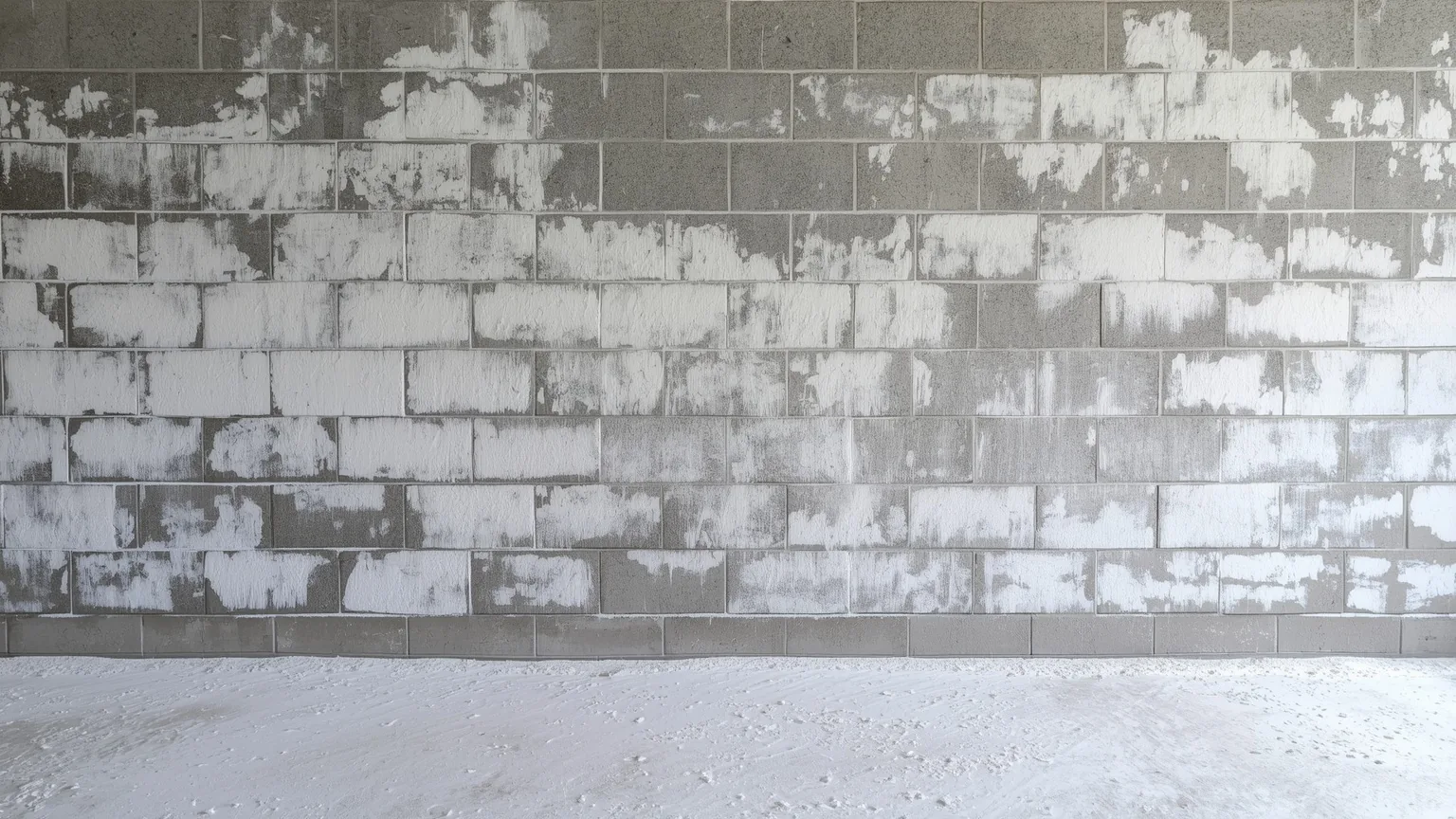
Efflorescence & Wall Staining
The white powder on a basement wall is not mold. It is what water leaves behind after passing through the wall — which means water is passing through the wall.
Find out what's actually causing it.
A free on-site inspection and a written scope — before any work is quoted.